
Skip to content

Hip Replacement

Hip Replacement

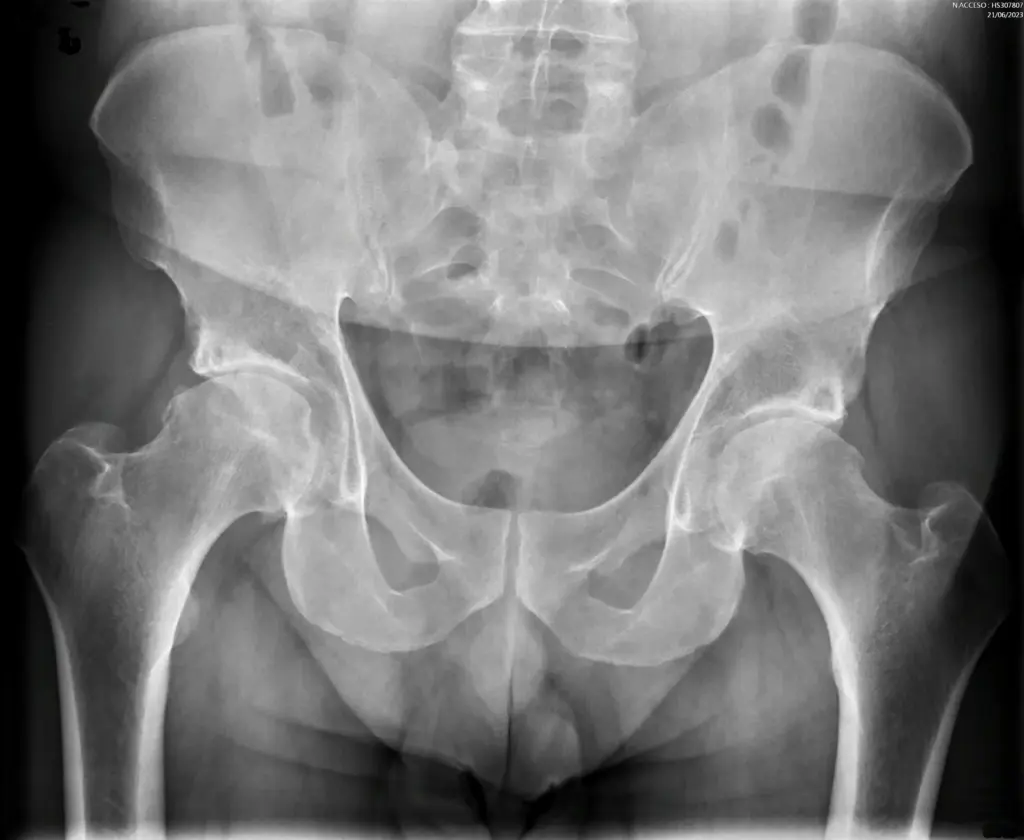
Osteoarthritis is a degenerative disease. For this reason, this condition has different stages, each of which calls for a different type of treatment:

  • In its early stages, osteoarthritis can be treated with diet, appropriate exercise, medication, and physical therapy.
  • In advanced stages, surgery is necessary. Traditional hip replacement surgery is appropriate for older adults who are not very active.

Resurfacing is a less invasive technique and is more conservative than total replacement. This treatment is suitable for more active patients and allows them to resume all the physical activities they enjoyed before the procedure.

The Clear Path to Recovery: Step by Step Toward Guaranteed Success

The success of knee or hip replacement surgery depends on three factors: the Patient, the type of implant, and the Surgeon.

Early postoperative recovery will depend on each patient and the surgical technique used. Postoperative pain or bleeding are not normally considered complications; they are part of the body’s reaction to the surgical procedure and therefore generally depend on each patient’s individual response, making them highly subjective.

For the past 25 years, we have been striving to shorten these phases as much as possible, which is why we pioneered minimally invasive surgical (MIS) techniques, anesthetic protocols that reduce pain, blood-sparing protocols, and accelerated recovery (Fast Track) protocols at our clinic. As a result, currently less than 1% of our patients require postoperative rehabilitation.

The length of the postoperative stay will also depend on all the factors listed above; there is no recommended minimum, and the patient is discharged with the utmost assurance of safety within 24 to 72 hours.

First 3 weeks
Initial Phase

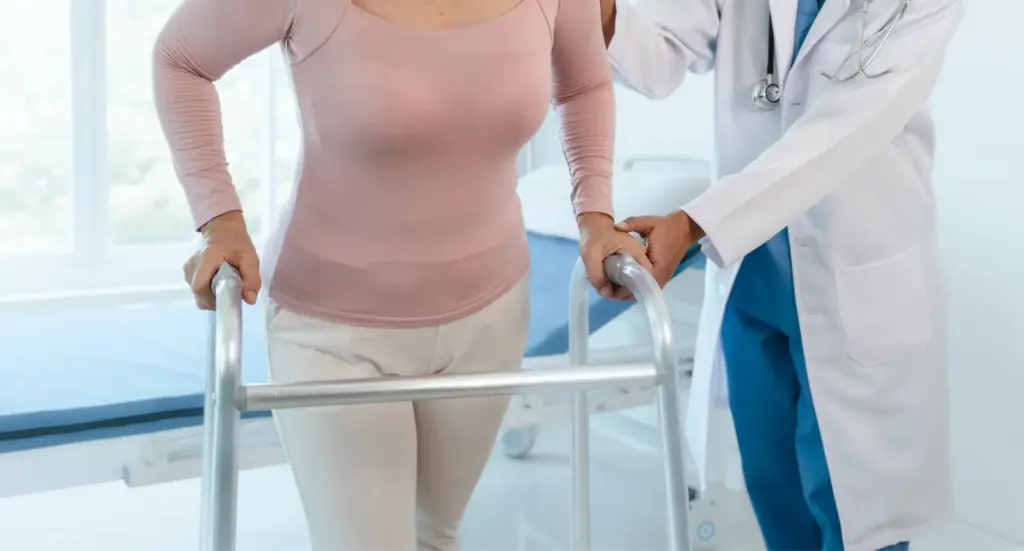
During this phase, we recommend walking with two crutches, relative rest, anti-inflammatory medications, and anticoagulants (for 4 weeks).

Acute inflammation lasts approximately three weeks, during which pain, swelling of the limbs, wound healing, and other symptoms occur simultaneously.

Between the 3rd and 6th week
Intermediate Phase

Between the 3rd and 6th week, the wound has completely healed, the swelling subsides, and the medication is tapered off.

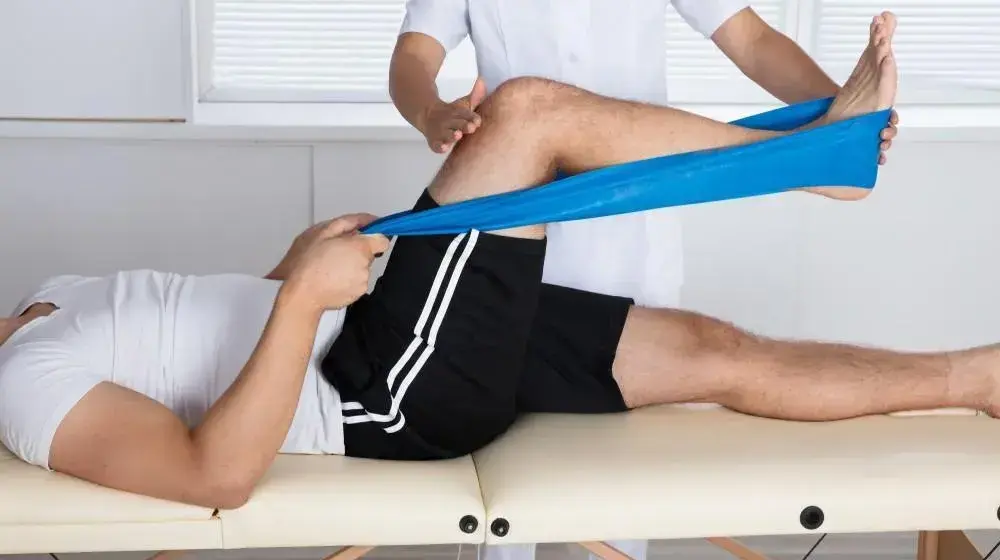
The patient gradually stops using the second crutch and begins walking with a single cane, starting to perform gentle muscle-strengthening exercises and gait retraining.

Between the 6th and 12th week

Resolution Phase

Starting in the 6th week and onward, we enter a period in which functional improvement is fully evident and consistent.

The joint appears stable, the bone continues to fuse with the prosthesis, and the gait pattern is returning to normal, allowing the patient to walk without the need for crutches or a cane.