


Innovation in Biomechanics
The evolution of joint replacement surgery depends not only on the surgeon’s skill, but also on materials science. Today, innovation in biomaterials is redefining the durability and biocompatibility of knee replacements, offering dramatic solutions for younger, more active patients. Among these advances, two revolutionary materials stand out: Oxinium and Tantalum.
Oxinium: The Perfect Synergy Between Metal and Ceramic
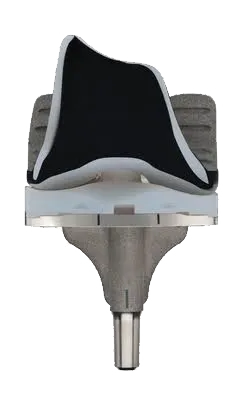
Oxinium (oxidized zirconium) is a metal alloy of zirconium and niobium that undergoes a heating process with oxygen. This transforms the metal’s surface into a smooth, ultra-strong ceramic layer, while keeping the metal core intact.
Say Goodbye to Wear and Tear: Traditional prostheses combine a metal component (usually cobalt-chromium) with a plastic component (polyethylene). Over the years, friction generates plastic microparticles that cause inflammation and loosening of the prosthesis. Oxinium reduces this wear and tear by more than 80%, significantly extending the implant’s lifespan.
Suitable for people with nickel allergies: Since it contains no nickel or chromium on its surface, it eliminates the risk of allergic reactions or sensitivity to metals—a common problem with traditional alloys.
Tantalum: The porous metal that "mimics" bone
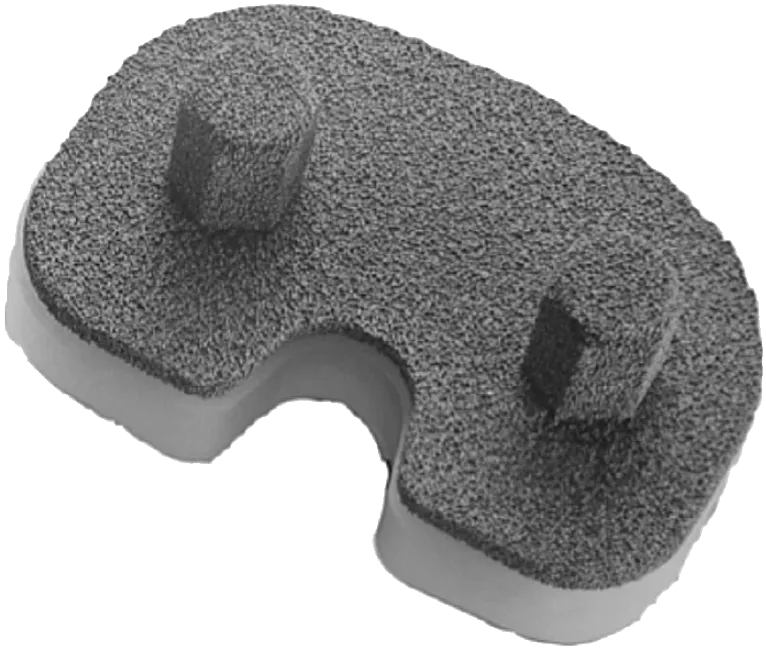
Tantalum (especially in its trabecular metal form) has revolutionized the way prostheses bond to the body. It is a highly porous metal with a three-dimensional structure that mimics human cancellous bone almost perfectly.
Biological fixation (cementless): Thanks to its extremely high porosity, the patient’s own bone literally grows into the tantalum. This creates a living, permanent, long-term bond, reducing reliance on traditional bone cement, which can degrade over the decades.
Adaptive flexibility: Unlike other rigid metals such as pure titanium, tantalum has a modulus of elasticity similar to that of bone. This prevents the “stress shielding” effect, ensuring that the recipient bone continues to receive mechanical stimulation and does not weaken over time.